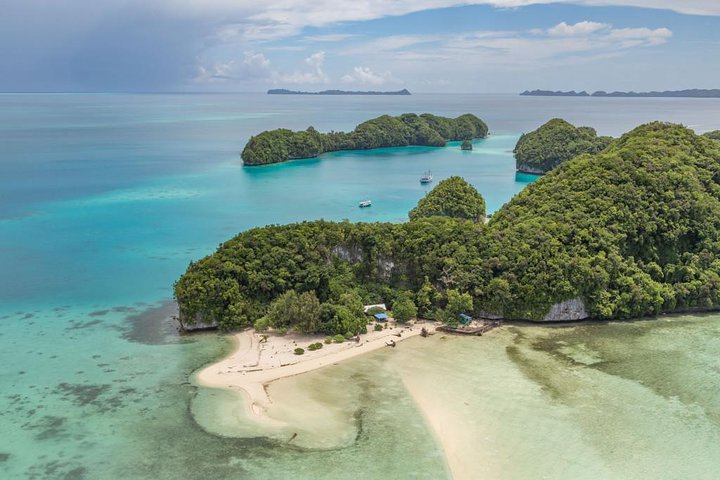
Things to Do in Palau
Where limestone islands float on neon lagoons and WWII wrecks sleep beneath
Top Things to Do in Palau
Find activities and tours you'll actually want to do. Book through our partners -- no booking fees.

Plan Your Trip
Essential guides for timing and budgeting
Climate Guide
Best times to visit based on weather and events
View guide →Day Trips
The best excursions and nearby destinations worth the journey
Explore day trips →Where to Stay
Best neighbourhoods, hotel picks, and booking tips
Find hotels →Travel Insurance
What's required, what coverage matters, and how to get a quote
Read guide →What to Pack
Climate-specific gear, essentials, and what to leave at home
See packing list →When Should You Visit Palau?
Tap a month for weather, crowds, and highlights
View full year-round climate guide →Explore Palau
Airai
City
Angaur
City
Babeldaob
City
Blue Corner
City
Chandelier Cave
City
German Channel
City

Jellyfish Lake
City
Kayangel
City
Koror
City
Long Beach
City
Long Island Park
City
Milky Way Lagoon
City
Ngardmau Waterfall
City
Ngerulmud
City
Peleliu
City

Rock Islands
City
Your Guide to Palau
About Palau
Palau greets you with salt on your lips the instant Koror's airport doors slide open. Humid air mixes diesel from the taxi stand with frangipani smoke and the distant promise of grilled reef fish. Out on the lagoon, the Rock Islands rise like green mushrooms dropped into water so clear it feels like a visual trick. Paddle beneath Big Drop-Off's arch and the current sweeps you past purple sea fans while parrotfish crunch coral like breakfast cereal.
The main drag through Koror still reeks of betel nut and two-stroke engines at 8 AM. Walk twenty minutes to Meyuns and Japanese retirees sip iced coffee at Surangel's while their wives haggle over woven baskets at the Etpison Museum gift shop. Night falls fast. By 6:30 the fruit bats wheel overhead like black kites and the only sound is the generator hum from Long Island Park's ice-cream kiosk.
Everything runs on cash. Electricity cuts out whenever it storms. The one decent ATM in Koror charges fees that'll make you wince. Worth it for the moment you surface from Blue Corner, lungs burning, and realize you've just drifted past a reef shark the locals call 'babu' like it's the family dog.
Travel Tips
Transportation: Koror's taxis quote journeys in dollars. Expect tourist rates from the airport to town. The shared minivans painted baby-blue cost a fraction and leave when full. Renting a scooter gets you to Long Island Park and the WWII museum. Roads north of Babeldaob dissolve into coral rubble after rain. Download the Palau Wave app before you land. It lists real-time boat departures to Peleliu and includes tide charts so you don't get stranded.
Money: Palau uses US dollars exclusively. Your card will only work at the Bank of Hawaii ATM beside Surangel's Supercenter. Everything else, boat tours, roadside ramen, betel nut, is cash only. Bring crisp twenties. Locals reject bills with the slightest tear. Tipping isn't expected. Boat crews appreciate a reasonable amount per passenger at the end of a dive day.
Cultural Respect: Before entering any bai in Airai or Melekeok, wait for the village chief to invite you. A small woven bracelet from the craft market is an acceptable thank-you. Swimwear stays on the boat. Walking through Koror in board shorts earns stares. When offered betel nut, chew once then discreetly spit. Spitting directly on the ground is considered rude.
Food Safety: Eat the reef fish. Just confirm it was caught that morning. The roadside stall opposite Surangel's does banana-leaf parcels of taro leaves and coconut milk that locals eat for breakfast. Grab one at 7 AM when they're still warm. Avoid salads washed in tap water. Stick to grilled meats and the ramen packets sold at every minimart. Bottled water is cheap everywhere. The refill station at Long Island Park costs pocket change and saves you lugging plastic.
When to Visit
December through April is the sweet spot. Air hovers at 28°C (82°F). Water stays 29°C (84°F). Northeast trade winds flatten the lagoon so boat rides aren't a salt-water enema. Flights from Guam drop significantly in January compared to Christmas week. Hotels in Koror follow the same curve. May brings the first monsoon storms.
Afternoons thunder for three hours, knocking out power and cancelling dive boats. June to August is technically rainy season. But mornings are often clear and hotel prices fall dramatically. Pack a rain jacket for the 3 PM downpour. October is the wildcard. Typhoon remnants can ground boats for days. If a storm passes north you'll have the Rock Islands to yourself and liveaboards slash rates in half.
The July Independence Day festival in Koror features traditional dance competitions and a greasy-pole contest over the harbor. Rooms book six months ahead and triple in price. December's Christmas lights strung between coconut palms look memorable until the generator fails during dinner. Bring a flashlight and patience.
More Ways to Experience Palau
Tours, day trips, and local experiences curated by on-the-ground operators.
Didn't see anything interesting yet?
Browse Viator's full catalog of tours, day trips, food experiences, and private guides in Palau.
See All Palau Tours on Viator